DIY Bathtub Reglazing Kits vs. Professional Refinishing — What's the Real Difference?
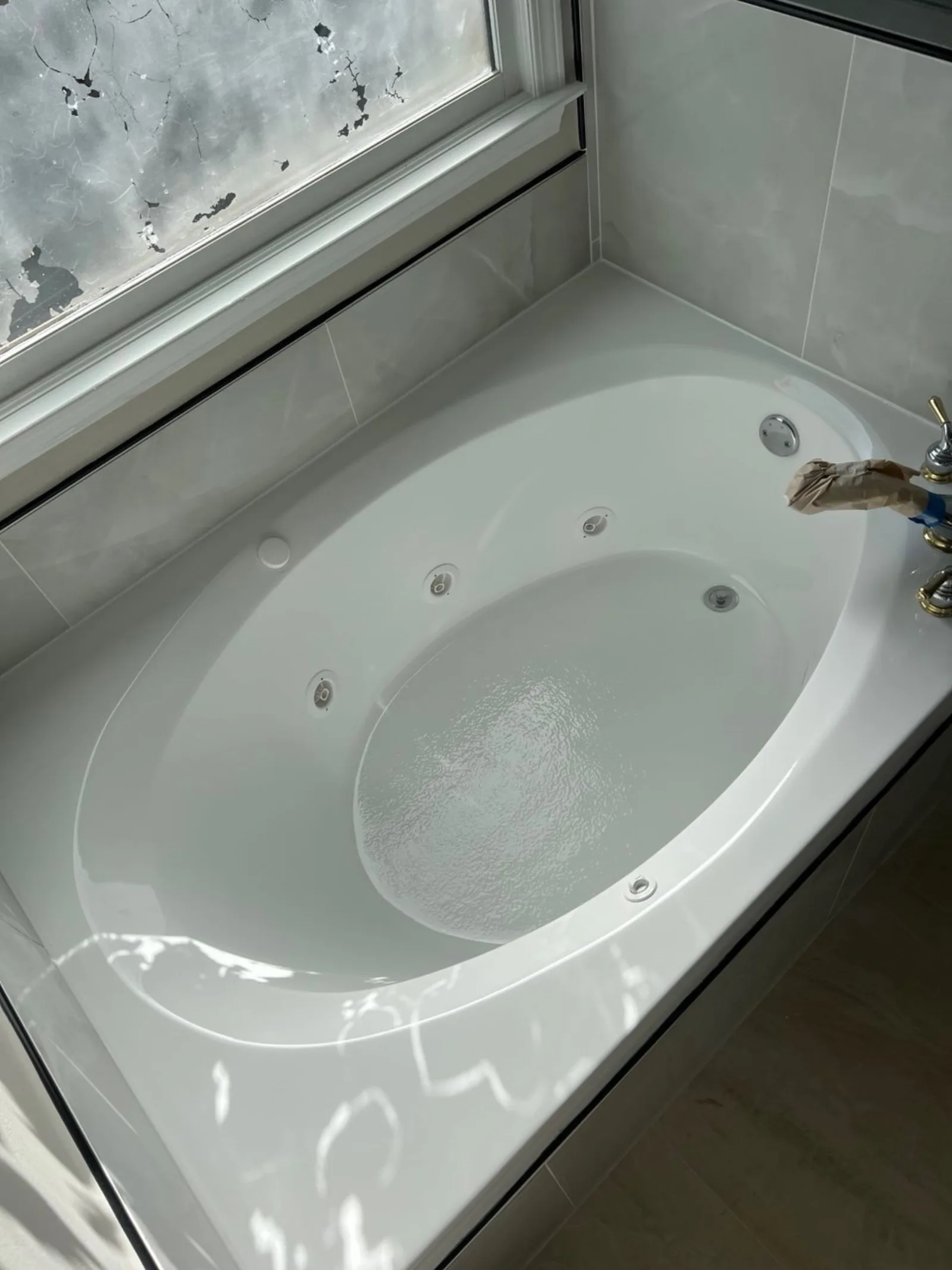
With the rise of home improvement shows and weekend renovation projects, many homeowners are tempted to tackle bathroom upgrades themselves — including bathtub reglazing.
Walk into any hardware store or browse online, and you'll find do-it-yourself tub refinishing kits promising a "like-new finish" for a fraction of the cost of hiring a professional.
But do they really compare?
Let's break down the real differences between DIY bathtub reglazing kits and professional refinishing services — so you can make the smartest decision for your home.
1. Surface Preparation: The Foundation of the Finish
DIY Kits
Most DIY kits rely on basic surface prep — usually involving sanding and a household cleaner or light etching solution. While this may remove surface grime, it rarely creates the deep mechanical or chemical bond needed for long-term adhesion.
Professional Reglazing
Professional refinishing involves multi-step industrial preparation, which may include:
- Heavy-duty degreasing
- Calcium and soap scum removal
- Acid etching or mechanical abrasion
- Chip and rust repair
- Body filler leveling
- Adhesion-promoting bonding agents
Prep work alone can take several hours — because the finish is only as good as the surface beneath it.
2. Coating Materials: Paint vs Industrial Coatings
DIY Kits
Most store-bought kits use epoxy or acrylic enamel paints designed for consumer application. While they may look good initially, they are thinner, softer, and more prone to wear.
They're formulated for ease of use — not maximum durability.
Professional Reglazing
Professional refinishers use commercial-grade coatings such as:
- Catalyzed urethanes
- Acrylic urethane hybrids
- Polyester coatings
- Manufacturer-specific refinishing systems
These coatings are chemically cured, thicker, and engineered to withstand moisture, cleaning chemicals, and daily use.
3. Application Method: Roller vs Spray Equipment
DIY Kits
Most DIY systems are applied with:
- • Foam rollers
- • Brushes
- • Small touch-up sprayers
This often leaves visible texture, roller marks, or uneven thickness.
Professional Reglazing
Professionals use high-volume spray systems such as:
- HVLP spray guns
- Air-assisted diaphragm systems
- Turbine spray equipment
This produces a smooth, glass-like factory finish — similar to the original porcelain appearance.
4. Durability & Lifespan
DIY Kits
Average lifespan: 6 months to 2 years
Common issues include:
- • Peeling
- • Bubbling
- • Yellowing
- • Chipping
- • Poor adhesion around drains
Professional Reglazing
Average lifespan: 10–15 years with proper maintenance
Many professional companies offer 3–5 year warranties or longer, reflecting confidence in their coating systems and prep methods.
When Does DIY Make Sense?
DIY kits may be suitable if:
- • The tub is temporary
- • It's in a low-use bathroom
- • You're prepping a quick flip on a tight budget
- • You understand it's a short-term cosmetic fix
But for primary bathrooms, rental units, or long-term homes — professional reglazing is typically the better investment.
Final Thoughts
Bathtub reglazing isn't just about changing color — it's about restoring a surface that handles daily moisture, weight, heat, and cleaning chemicals.
While DIY kits can provide a quick refresh, they rarely match the durability, appearance, or lifespan of professional refinishing.
If you're looking for:
- Long-term performance
- Warranty protection
- Factory-smooth finishes
- Increased home value
Professional reglazing remains the gold standard.
Because when it comes to surfaces you use every day…
Quality beneath the shine matters most.